What is Reverse Osmosis?
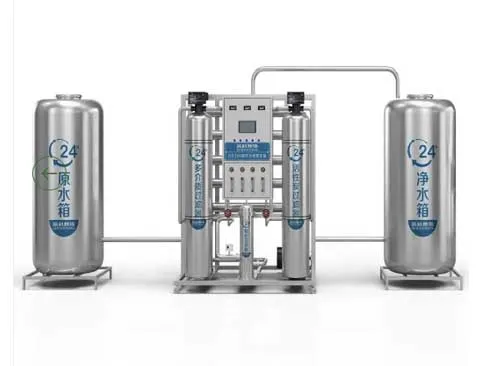
Reverse Osmosis (RO) technology is widely regarded as one of the most efficient water filtration methods, providing clean, great-tasting drinking water. RO systems are widely used in a variety of applications, including whole-house water use, tap terminals, the restaurant industry, and aquariums. No matter what aspect of water quality you are concerned about, there is always an RO system that can meet your needs.
What Is Osmosis?
Remember high school biology? Osmosis is when water moves from a less concentrated solution to a more concentrated one through a semi-permeable membrane. It’s how plants drink through their roots.
What Makes It Reverse?
Now flip that idea. Reverse osmosis pushes water from a more concentrated solution to a less concentrated one using pressure. The key? That semi-permeable membrane that acts like a microscopic bouncer—letting in only the clean H₂O and blocking out everything else.
What Contaminants Can Reverse Osmosis (RO) Remove?
Reverse Osmosis (RO) is one of the most effective water purification methods available. It can remove a wide range of contaminants, including:
1. Dissolved Salts and Minerals
Sodium
Chloride
Calcium
Magnesium
Sulfates
2. Heavy Metals
Lead
Arsenic
Mercury
Cadmium
Chromium
3. Organic Contaminants
Pesticides
Herbicides
Volatile Organic Compounds (VOCs)
Industrial solvents
4. Microorganisms
Bacteria (e.g., E. coli)
Viruses
Protozoa
Note: While RO membranes can block many microorganisms, RO is often combined with UV or other disinfection systems for complete microbial control.
5. Chemical Contaminants
Fluoride
Nitrates & Nitrites
Chlorine & Chloramine
PFAS (in some advanced systems)
6. Aesthetic Impurities
Bad taste
Odors
Cloudiness (turbidity)
RO membranes are rated to remove up to 95%–99% of total dissolved solids (TDS), making RO systems highly effective for delivering clean, safe, and great-tasting water.
How Does Reverse Osmosis Work?
Reverse Osmosis (RO) is a water filtration process that uses a semi-permeable membrane to remove unwanted substances from water. Here's a detailed breakdown of how it works:
1. Pre-Filter Stage
Before the water reaches the RO membrane, it passes through a pre-filter. This stage typically involves carbon or sediment filters that remove large particles like dirt, sand, chlorine, and other sediments. This step ensures that the RO membrane stays clean and free from larger impurities that could cause damage or clogging.
2. Water Pressure
To initiate the RO process, the water needs to be pressurized. A pump applies pressure to the incoming water, which forces it through the semi-permeable RO membrane. The pressure must be strong enough to overcome the natural osmotic pressure of the water, pushing the molecules through the membrane.
3. The Semi-Permeable Membrane
The core of the reverse osmosis system is the semi-permeable membrane. This membrane has incredibly tiny pores—around 0.0001 microns in diameter—that allow only water molecules to pass through while blocking larger molecules like salts, chemicals, bacteria, and other contaminants. This selective permeability ensures that only pure water is allowed to pass, while the contaminants are filtered out.
4. Separation of Contaminants
As the pressurized water moves through the RO membrane, the clean water molecules pass through, while the contaminants (including salts, metals, and other harmful substances) are left behind. The membrane essentially separates pure water from the impurities.
5. Post-Filtration
After the water has passed through the RO membrane, it may go through an additional post-filter (typically a carbon filter) to further polish the water. This step helps remove any remaining odors, tastes, or chemicals that might still be present, ensuring the water tastes clean and fresh.
6. Storage Tank
The purified water is stored in a tank for later use. The water is now free from contaminants and is ready for consumption or other applications.
7. Waste Water (Concentrate)
The contaminants that are left behind by the RO membrane are flushed away as waste water or concentrate. This is usually sent to a drain. On average, for every gallon of purified water, 3 to 4 gallons of waste water may be produced, depending on the efficiency of the RO system.


评论
发表评论